

Tile can transform a bathroom, kitchen, entryway, or floor, but a beautiful tile project depends on more than choosing the right tile. Proper tile installation is essential for creating a durable, attractive, and long-lasting surface.
If you’re considering a DIY tile project, here are five common tile installation mistakes homeowners should avoid.
1. Skipping Proper Surface Preparation

One of the biggest tile installation mistakes is installing tile over an uneven, damaged, or improperly prepared surface.
Tile needs a stable and appropriately flat substrate. If the surface underneath isn’t prepared correctly, you may eventually experience cracked tiles, loose tiles, uneven surfaces, or grout problems.
A professional tile installer can inspect the existing surface and determine what preparation is needed before installation begins.
2. Choosing the Wrong Tile for the Space
Not every tile is suitable for every application.
Bathroom floors, shower walls, kitchen backsplashes, and outdoor areas can have very different requirements. Factors such as moisture exposure, slip resistance, durability, and maintenance should all be considered when selecting tile.
Before purchasing materials, make sure the tile is appropriate for its intended location.
3. Poor Tile Layout and Planning
Even high-quality tile can look disappointing if the layout isn’t properly planned.
Tile installers need to account for walls, cabinets, doorways, fixtures, drains, and other features before installation begins. Poor planning can result in awkward cuts, uneven borders, or small pieces of tile in highly visible areas.
Taking time to plan the layout before applying mortar can make a major difference in the finished appearance.
4. Using Improper Mortar or Grout
The right adhesive and grout matter. Different tile materials, locations, and installation surfaces can require different products and installation methods.
Using the wrong mortar, applying insufficient coverage, or selecting an inappropriate grout can contribute to loose tiles, cracking, staining, or moisture problems.
Following manufacturer recommendations and professional installation practices helps ensure the tile bonds properly and performs as intended.

5. Overlooking Waterproofing in Bathrooms and Showers

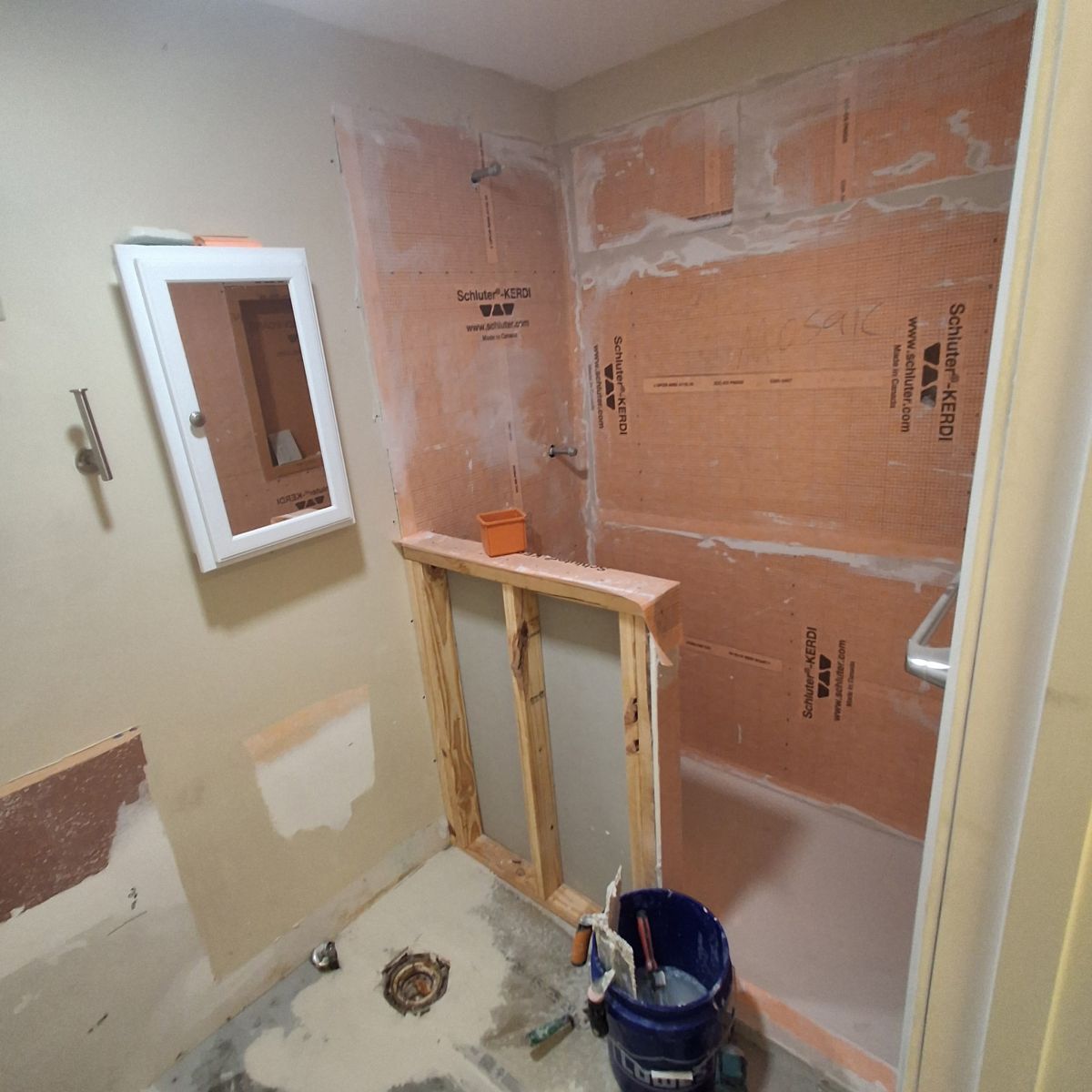
When it comes to bathroom tile installation, waterproofing is one of the most important considerations.
Tile and grout are not a substitute for a properly designed waterproofing system. In showers and other wet areas, water can find its way behind the tile if the underlying system isn’t installed correctly.
Professional shower tile installation should address waterproofing, drainage, substrate preparation, and proper tile installation as part of the complete project.
Avoid Tile Installation Problems With Professional Help
Tile installation may look straightforward, but small mistakes can become expensive repairs later. Proper surface preparation, material selection, layout, adhesives, grout, and waterproofing all contribute to a successful installation.
If you’re planning a bathroom, kitchen, shower, or flooring project, working with an experienced professional tile installer can help you avoid common installation problems and achieve a finished result that looks great and lasts for years.
Ready to start your tile project? Contact our team today to schedule a consultation or request an estimate.
— Panhandle Tile & Design – (850) 832-7685
Comments are closed